

Ask most marketers what holds back their social media output and the answer is rarely a lack of ideas. More often it is the absence of structure. Without a plan, social media becomes reactive – posting when time allows, going quiet when it does not, and never quite building the momentum that comes from consistent, deliberate content.
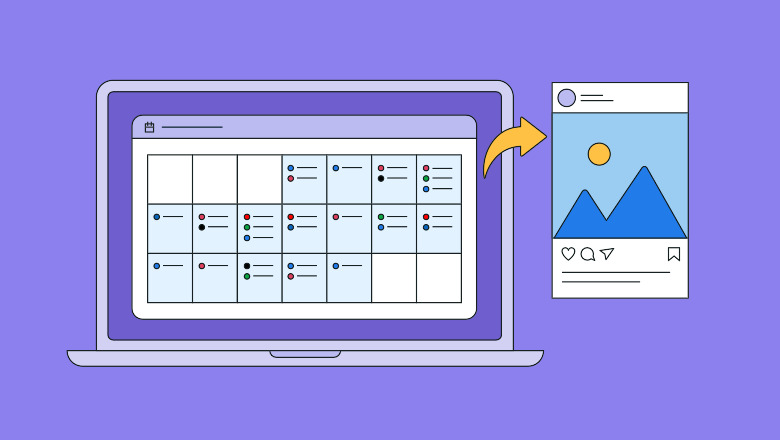
A content calendar changes this. It turns good intentions into scheduled actions and gives a team a shared view of what needs to happen and when. The challenge is building a calendar that is actually useful rather than an elaborate document that gets abandoned after a fortnight.
Start With Your Channels And Frequency
Before filling in dates, decide which platforms you are publishing on and how often you can realistically post to each. It is far better to be consistent on two channels than sporadic across five. A LinkedIn post three times a week and an Instagram post five times a week is manageable for most small teams. Stretching to six platforms with daily posts is a recipe for burnout and declining quality.
Map out your posting frequency per channel first, then build your calendar around that commitment. This gives you a structure that is sustainable rather than aspirational.
Categories And Content Pillars
One of the most useful tools in content planning is the idea of content pillars – recurring themes or categories that define what you talk about. For a professional services firm, these might be thought leadership, client stories, team culture and industry news. For a retail brand, they might be product features, styling inspiration, behind-the-scenes and customer reviews.
Assigning each post slot in your calendar to a pillar prevents the feed from becoming repetitive or skewed too heavily towards promotion. A useful rule of thumb is to aim for no more than one in five posts being directly promotional – the rest should offer something of genuine value or interest to your audience.
Planning Ahead Without Over-Scripting
A good calendar balances planned content with space for timely and reactive posts. Mapping out content four weeks in advance for planned campaigns, product launches and regular features makes sense. But leaving room for responses to industry news, trending topics and real-time moments keeps the feed feeling current and engaged with the world.
Locking every slot weeks in advance can make social media feel rigid. The calendar should be a guide, not a cage. CoSchedule recommends building in a buffer of ten to twenty per cent unscheduled capacity to accommodate timely opportunities without disrupting the overall plan.
Workflow And Ownership
A calendar is only useful if it reflects a real workflow. For each post, it helps to track not just the date but the content format, the platform, who is responsible for creating it, and its current status – draft, approved, scheduled or published. This turns the calendar into a production tracker as well as a planning tool.
For teams working across multiple stakeholders, a shared calendar prevents duplication, ensures nothing falls through the gaps and makes sign-off processes much smoother.
Review And Improve Regularly
At the end of each month, spend thirty minutes reviewing what performed well and what did not. Which pillars drove the most engagement? Were there formats that consistently underperformed? Did the posting frequency feel manageable? Use these insights to refine the next month’s plan.
Consistent social media management from a company like 99social includes exactly this kind of ongoing analysis, turning your content calendar from a static plan into a continuously improving system.
The best calendar is the one you actually use. Start simple, stay consistent, and refine as you go.