
City construction projects are rarely straightforward. Unlike open rural sites where there is plenty of space to work with, urban environments come with tight boundaries, nearby buildings, constant foot traffic, and strict regulations. Every decision has to balance productivity with public impact, and noise is often one of the biggest issues contractors need to manage.
This is where noise barriers for construction become a crucial part of site planning. They are widely used to reduce the spread of sound beyond the work zone, but in city projects, using them effectively is not always simple. Space limitations, changing site conditions, and unpredictable urban acoustics all create challenges that require careful planning and practical solutions.
The Reality of Urban Construction Noise
Construction noise is not just a background inconvenience in cities. It directly affects residents, businesses, schools, hospitals, and transport systems. Activities like piling, demolition, concrete cutting, and heavy vehicle movement can generate high sound levels that travel far beyond the site.
What makes cities especially difficult is the way sound behaves in built-up environments. Buildings reflect noise, creating echoes and amplifying certain frequencies. Narrow streets can act like corridors that channel sound further than expected. Even when a site is relatively small, the impact can feel much larger.
Because of this, contractors are expected to do more than simply manage noise. They need to actively reduce their spread and demonstrate compliance with strict local guidelines.
Space Limitations and Restricted Layouts
One of the biggest challenges in city projects is the lack of space. Construction sites are often squeezed between existing buildings, roads, and pedestrian areas. This makes it difficult to position equipment, store materials, and install mitigation systems effectively.
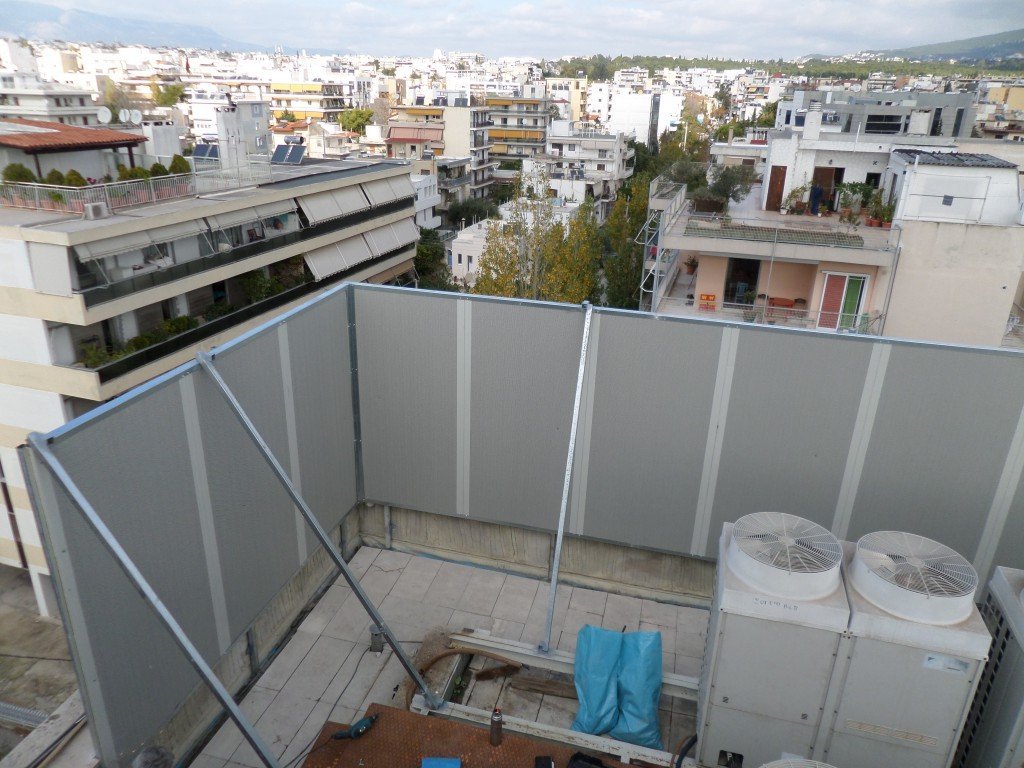
Noise barriers need space to work properly. Ideally, they should be placed close to the source of the sound, with enough height and coverage to block direct transmission. In reality, this is not always possible.
Sometimes barriers have to be installed right at the site boundary, which reduces their effectiveness. In other cases, access routes limit where panels can be placed, forcing contractors to compromise between operational efficiency and noise control.
This constant balancing act is one of the main difficulties in urban construction management.
Constantly Changing Work Environments
City construction projects are rarely static. Phased development, restricted working hours, and evolving site requirements mean that layouts can change frequently.
A noise barrier system that works during demolition might need to be repositioned during structural work. Later, it may need adjustment again for finishing stages or mechanical installations.
This creates a logistical challenge. Fixed systems are often too rigid for urban environments, while temporary solutions require regular maintenance and repositioning. Contractors must plan ahead to ensure that barriers remain effective throughout each stage of the project.
Wind Exposure and Structural Pressure
Wind is often underestimated in urban construction, but it plays a major role in barrier performance. Tall buildings can create wind tunnels between streets, increasing pressure on temporary structures.
When barriers are installed along exposed site edges, they can experience significant force. If not properly secured, this can lead to movement, vibration, or even structural failure.
This is particularly challenging in city centres where tall buildings are close together and wind patterns are unpredictable. Contractors must ensure that barrier systems are properly anchored and reinforced, often using weighted bases or bracing systems to maintain stability.
Acoustic Reflection Between Buildings
Another unique challenge in urban environments is sound reflection. Unlike open sites where noise can dissipate, city landscapes are full of hard surfaces like glass, concrete, and metal.
These surfaces reflect sound waves, causing them to bounce between buildings. This can increase perceived noise levels even when barriers are in place. In some cases, it can create hotspots where noise becomes concentrated rather than reduced.
This means barriers alone are not always enough. Contractors often need to combine them with other strategies such as careful equipment placement, acoustic planning, and phased scheduling of noisy activities.
Community Expectations and Public Pressure
City projects take place in close proximity to people’s daily lives. Residents expect construction activity to be managed responsibly, and even short periods of disruption can lead to complaints if not handled properly.
This creates additional pressure for contractors. It is not just about meeting legal requirements, but also maintaining good relationships with the surrounding community.
Visible mitigation measures, such as properly installed barriers, help demonstrate that steps are being taken to reduce impact. However, expectations continue to rise, and simple compliance is often not enough.
Contractors are increasingly expected to show active monitoring, clear communication, and consistent improvement in noise control practices.
Installation Challenges in Tight Access Areas
Installing barriers in city environments is often more complicated than in open sites. Narrow access points, limited storage space, and busy surrounding roads can all slow down installation.
Materials may need to be delivered in smaller batches, and assembly often has to take place in confined areas. This increases labour time and requires careful coordination to avoid disrupting other site activities.
In some cases, installation can only take place during restricted hours to minimise disruption to traffic or pedestrians. This adds another layer of planning to already complex schedules.
Efficiency becomes critical, as delays in barrier installation can affect the entire project timeline.
Weather and Environmental Wear
Urban construction sites are exposed to all types of weather conditions, often with little protection from surrounding structures. Rain, UV exposure, and temperature changes can all affect barrier performance over time.
Moisture can weaken certain materials if they are not properly sealed, while prolonged sun exposure can cause degradation or fading. In high-traffic areas, physical wear from site activity can also reduce effectiveness.
Because city projects tend to run for long periods, durability is a key concern. Regular inspection and maintenance are necessary to ensure barriers continue performing as intended throughout the project lifecycle.
Integrating Barriers Into Wider Noise Strategies
Effective noise control in cities is never based on a single solution. Barriers are part of a broader strategy that includes planning, scheduling, and equipment selection.
Contractors often combine barriers with:
- Scheduling high-noise activities during less sensitive times
- Using lower-noise machinery where possible
- Positioning equipment strategically within the site
- Monitoring sound levels throughout the project
- Adjusting workflows based on real-time data
When used together, these methods create a layered approach that is far more effective than any single measure alone.
This integration is especially important in constrained environments where every decibel matters.
Conclusion
Managing construction noise in city environments is a complex challenge shaped by space limitations, environmental factors, community expectations, and constantly changing site conditions.
Noise Barriers for Construction play a vital role in reducing the impact of these challenges, but they are not a standalone solution. Their effectiveness depends on how well they are integrated into broader planning, how carefully they are installed, and how consistently they are maintained.
In modern urban projects, success comes from adaptability. Contractors who combine barriers with smart planning and flexible strategies are better equipped to manage noise effectively while keeping projects on track and communities onside.